Research Use Only. All products are intended strictly for in vitro research and laboratory experimentation. Not for human consumption, therapeutic use, or clinical application. For use by qualified researchers only.

GLP-1 Peptides Buyer’s Guide: How to Choose the Right Weight Loss Peptide for Your Research

Introduction: Making the Right Choice Among GLP-1 Options GLP-1 agonists dominate weight loss peptide research. But which one? Semaglutide, Tirzepatide, Retatrutide? Each works differently, costs differently, and suits different research goals. This guide cuts through confusion, helping you choose the right GLP-1 peptide based on your specific research objectives, budget, and timeline. Whether you’re a… Continue reading GLP-1 Peptides Buyer’s Guide: How to Choose the Right Weight Loss Peptide for Your Research

Peptide Combinations for Weight Loss: Synergistic Protocols for Maximum Results

Introduction: Why Single Peptides Aren’t Enough for Advanced Research Single-peptide research reveals individual mechanisms. But real-world obesity involves multiple dysregulated pathways: appetite, metabolism, fat mobilization, and satiety, all operating suboptimally. Advanced research requires attacking multiple targets simultaneously. This is why peptide combinations outperform single compounds and why combination protocols represent the frontier of weight loss… Continue reading Peptide Combinations for Weight Loss: Synergistic Protocols for Maximum Results

Cagrilintide for Appetite Regulation: Amylin Agonist Weight Loss Research

Introduction: The Emerging Appetite Pathway While GLP-1 agonists dominate weight loss research, an emerging pathway is gaining recognition: amylin signaling. Cagrilintide activates amylin receptors, triggering satiety signals through a completely different mechanism than GLP-1. This makes Cagrilintide ideal for researchers studying pathway redundancy, combination therapies, or exploring why some people respond better to amylin activation… Continue reading Cagrilintide for Appetite Regulation: Amylin Agonist Weight Loss Research

AOD-9604 for Selective Fat Loss & Body Composition: Growth Hormone Fragment Research

Introduction: Fat Loss Without Appetite Suppression AOD-9604 represents a unique approach to weight loss research. While GLP-1 agonists suppress appetite, AOD-9604 forces your body to burn stored fat directly without affecting hunger or eating behavior. This makes it ideal for researchers isolating fat-burning mechanisms or combining with appetite-suppressant peptides for comprehensive weight loss. If you’re… Continue reading AOD-9604 for Selective Fat Loss & Body Composition: Growth Hormone Fragment Research

Retatrutide Triple-Agonist for Advanced Weight Loss: GLP3-R Research Peptide Guide

Introduction: The Next Evolution in Weight Loss Research Retatrutide represents the frontier of weight loss peptide research. While dual-agonists like Tirzepatide target two appetite pathways, Retatrutide adds a third: direct fat burning through glucagon receptor activation. This triple mechanism achieves results that single and dual agonists cannot. If you’re investigating advanced weight loss mechanisms or… Continue reading Retatrutide Triple-Agonist for Advanced Weight Loss: GLP3-R Research Peptide Guide

Tirzepatide for Metabolic Health: GLP2-T Peptide for Weight Loss & Blood Sugar Control Research

Introduction: Why Tirzepatide Changed Weight Loss Research Tirzepatide represents a breakthrough in understanding how appetite and metabolism connect. Unlike older weight loss approaches targeting only hunger, Tirzepatide activates two natural hormone systems simultaneously, creating metabolic effects researchers have never seen before. If you’re investigating weight management through research, Tirzepatide (GLP2-T) is the starting point. This… Continue reading Tirzepatide for Metabolic Health: GLP2-T Peptide for Weight Loss & Blood Sugar Control Research

Best Peptides for Weight Loss: Complete Guide to GLP-1 Agonists & Metabolic Peptides for Research

Introduction: Why Peptides Are Transforming Weight Management Research Weight management represents one of the most researched areas in modern medicine. Peptides have emerged as revolutionary tools for understanding metabolic regulation, appetite control, and fat loss mechanisms at the molecular level. Unlike broad-spectrum pharmaceuticals, research peptides target specific biological pathways, allowing scientists and researchers to study… Continue reading Best Peptides for Weight Loss: Complete Guide to GLP-1 Agonists & Metabolic Peptides for Research

stamina enhances

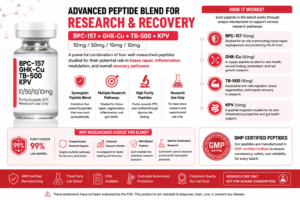
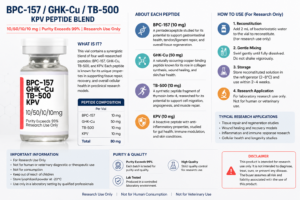
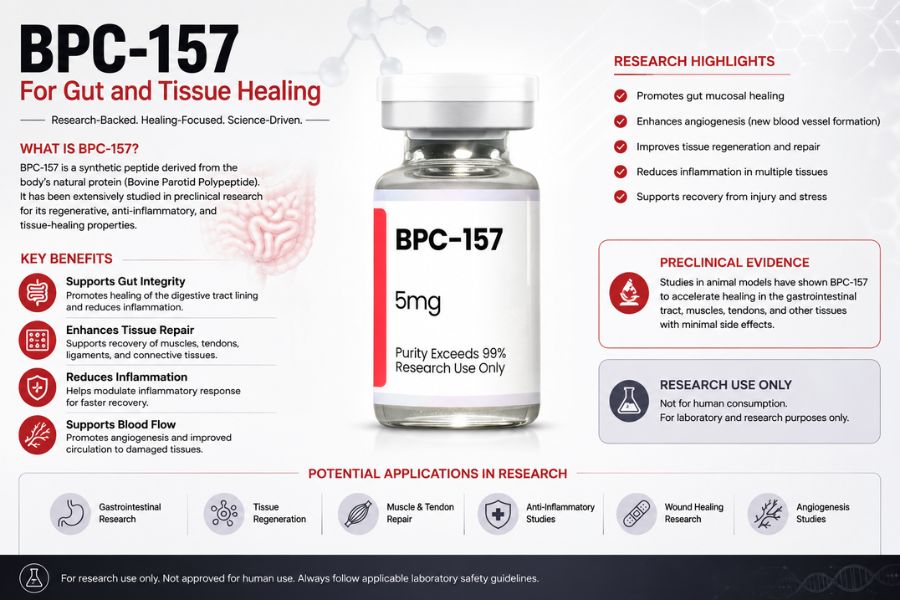
BPC-157 Research Review: What the Literature Says About Body Protection Compound A comprehensive look at the published preclinical research on BPC-157 — including its studied mechanisms in tissue repair, gut integrity, and cellular signaling. For research purposes only. What Is BPC-157? Body Protection Compound 157 (BPC-157) is a synthetic pentadecapeptide consisting of 15 amino acids.… Continue reading stamina enhances

The Complete Guide to Research Peptides: What They Are, Why They Matter, and Why Hotspan Leads the Market

Introduction: Understanding the Peptide Revolution in Research Peptides have become central to modern scientific research, driving breakthroughs in longevity, cellular health, performance optimization, and aesthetic development. If you’re exploring peptides for research purposes, you’ve landed at the right place. This guide walks you through everything from fundamental chemistry to competitive advantages, giving you the knowledge… Continue reading The Complete Guide to Research Peptides: What They Are, Why They Matter, and Why Hotspan Leads the Market

Hotspan Blog

BPC-157 Research Review: What the Literature Says About Body Protection Compound A comprehensive look at the published preclinical research on BPC-157 — including its studied mechanisms in tissue repair, gut integrity, and cellular signaling. For research purposes only. What Is BPC-157? Body Protection Compound 157 (BPC-157) is a synthetic pentadecapeptide consisting of 15 amino acids.… Continue reading Hotspan Blog